Prevention and Treatment of Common Diseases in Dogs
Announcements
Having a dog is one of the most rewarding experiences of life, but with this joy comes also the responsibility of taking care of the health of your four-legged friend. Preventing and treating common diseases in dogs is essential to ensure that they lead a long, happy and healthy life.In this article, we will explore the most frequent diseases among dogs, how to prevent them and the treatment options available, all this with a careful and informed look from a veterinary specialist.
Common Diseases in Dogs
Dogs, just like humans, are susceptible to various diseases throughout their lives. Knowing these diseases and being aware of the symptoms can make all the difference in the health of your pet. Below, we detail some of the most common diseases:
Announcements
Parvovirus Canine
Parvovirus is a highly contagious viral disease that mainly affects puppies.Symptoms include vomiting, diarrhea (often with blood), lethargy and loss of appetite.Prevention is done through proper vaccination, which should be started in the first weeks of the dog’s life and reinforced annually.
Announcements
Distemper
Another serious viral disease, distemper, affects the respiratory, gastrointestinal and nervous systems of dogs. Symptoms range from ocular and nasal discharge to seizures.Vaccination is the best form of prevention, and unfortunately, treatment can be long and complex, often requiring intensive care.
Leptospirosis
Transmitted through rodent urine, leptospirosis can cause fever, muscle pain, vomiting, diarrhea, and kidney failure. Prevention includes vaccination and rodent control in the dog’s environment.
Ticks Disease (Ehrlichiosis and Babesiosis)
Ticks are vectors of several diseases, including ehrlichiosis and babesiosis. Both can cause symptoms such as fever, apathy, weight loss and anemia. Prevention includes the regular use of antiparasitics and daily inspection of the dog for tick removal. Treatment may involve antibiotics and, in severe cases, blood transfusions.
Prevention is the Best Medicine
Prevention is always preferable to treatment. Keeping your dog’s vaccines up to date, using antiparasitics regularly, and providing a balanced diet are crucial measures to prevent disease.In addition, regular visits to the veterinarian are essential to detect and treat any health problem early.
Vaccination
Vaccination is the first line of defense against many serious diseases.Follow the vaccination schedule recommended by your veterinarian, which usually begins in the first weeks of the puppy’s life and continues with annual boosters.
Antiparasitic
The use of antiparasitics is essential to protect your dog against fleas, ticks and worms.There are several products on the market, from collars to oral and topical medications. Consult your veterinarian to choose the best option for your pet.
Feeding
A quality diet strengthens the immune system of your dog. Opt for balanced diets and, if possible, consult a veterinary nutritionist to develop a personalized diet that meets the specific needs of your animal.
Hygiene and Environment
Maintaining the hygiene of the dog and the environment where he lives is crucial to prevent diseases. Regular bathing, brushing teeth and cleaning the ears are basic care that help keep your pet healthy.
Treatment of Canine Diseases
Despite all preventive care, sometimes our dogs can still get sick.When this happens, a quick diagnosis and proper treatment are essential for recovery.
Early Diagnosis
Taking your dog to the vet at the first signs of illness is crucial. Early diagnosis often results in more effective and less invasive treatments.Do not ignore symptoms such as lethargy, loss of appetite, vomiting, diarrhea or behavioral changes.
Available Treatments
Viral diseases such as parvovirus and distemper may require intensive care and support for symptoms, while bacterial infections such as leptospirosis are usually treated with antibiotics.
Palliative Care
In cases of chronic or terminal illnesses, palliative care aims to provide the dog with quality of life. This may include pain medication, special feeding, and adjustments to the environment for greater comfort.
Importance of Regular Check-up
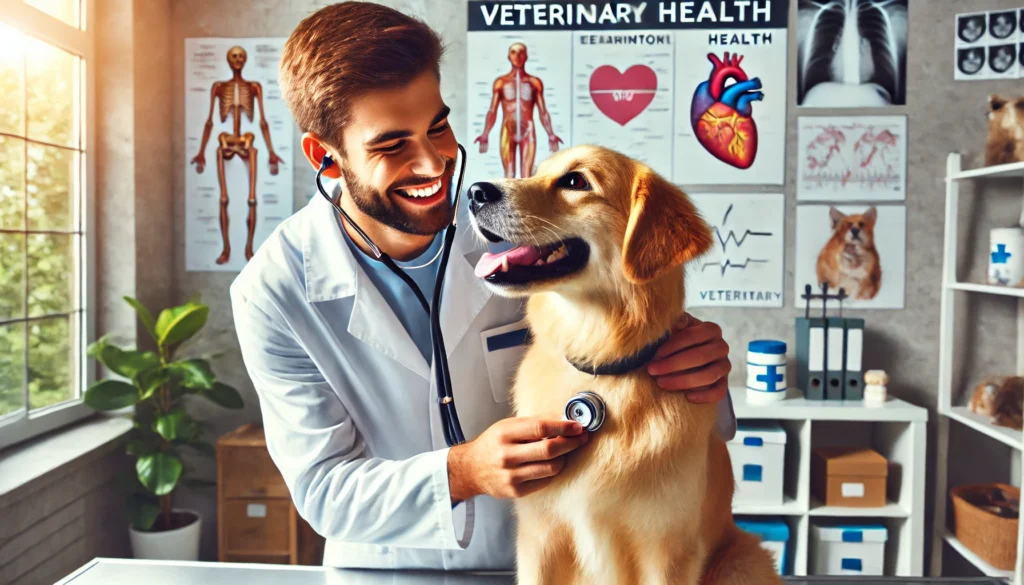
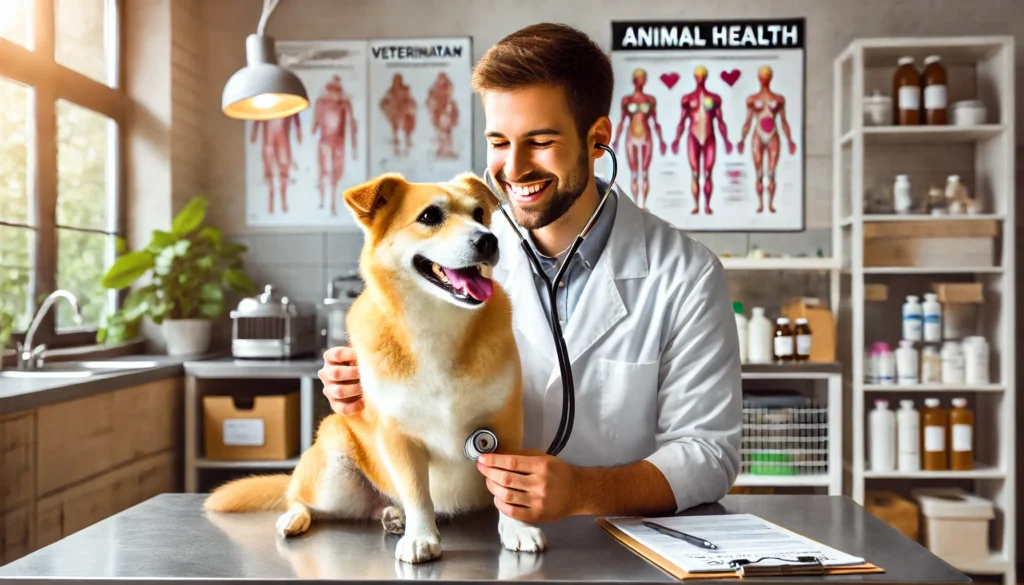
Maintaining a routine of regular check-ups is vital to your dog’s health.These appointments allow the veterinarian to monitor the animal’s overall health, detect problems early, and adjust any necessary treatment.
Routine Examinations
During check-ups, your veterinarian may perform blood, stool, urine, and other diagnostic tests to ensure that everything is fine with your pet. These tests help detect silent diseases that do not have obvious symptoms.
Dental Consultations
Dental health is often overlooked, but it is critical. Dental diseases can lead to more serious problems if left untreated. Brushing your dog’s teeth regularly and doing professional cleanings when necessary are best practices.
Weight Tracking
Your dog’s weight is an important indicator of his health. Both obesity and malnutrition can lead to serious health problems.Monitor your pet’s weight and adjust the diet as needed, always under veterinary guidance.
Conclusion
Taking care of your dog’s health requires attention, love and knowledge. Preventing and treating common ailments in dogs is an ongoing task that involves vaccinations, proper feeding, use of antiparasitics, and regular check-ups. Remember that prevention is always the best medicine, and being attentive to the signs that something is not right can make all the difference.Your dog trusts you to keep him healthy and happy, and with this information, you are well equipped to do just that.