How to Understand the Body Language of Cats
Announcements
Have you ever looked at your cat and wondered what he is trying to say? As a veterinarian specializing in animal behavior, I can state that understanding the body language of cats is essential to strengthen the bond between you and your cat. This article is a detailed guide to help you decipher the signals your cat uses to communicate. In addition to preventing misunderstandings, understanding these signs can help identify health problems and ensure the well-being of your cat.
The Importance of Understanding the Body Language of Cats
Cats, although less expressive than dogs, have a rich body language. They communicate their feelings and intentions mainly through body postures, tail movements, facial expressions and vocalizations. Understanding these nuances can prevent misunderstandings and promote a more harmonious environment at home. The body language of cats is a direct reflection of their emotions and intentions, and interpreting it correctly is crucial to maintain a good coexistence.
Announcements
Eyes: Windows to the Feline Soul
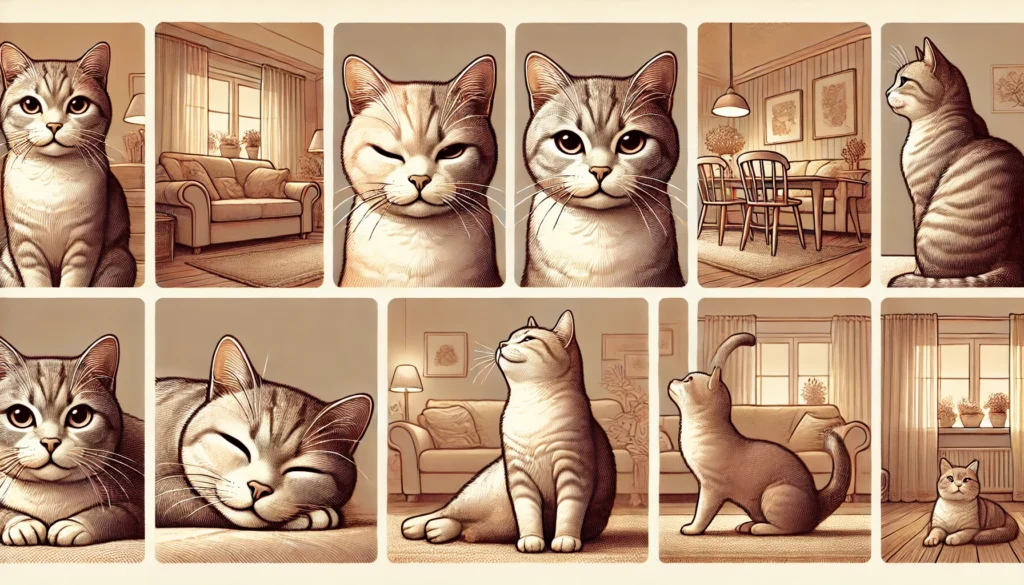
A relaxed cat blinks slowly, a sign of trust and affection. On the other hand, wide eyes and dilated pupils can indicate fear or excitement. Blinking back at your cat can be a way of saying that you love and feel safe with it. In addition, watching your cat’s pupils can provide clues about his emotional state. Contracted pupils usually indicate that the cat is alert or ready to hunt, while dilated pupils can mean that he is frightened or highly stimulated.
Ears: Antennas of Emotions
Cats’ ears change position according to their emotions.Erect, forward-facing ears indicate curiosity or alertness, while flat ears against the head are a clear sign of fear or aggression.Watching the position of your cat’s ears can help you understand how it feels in different situations.In addition, if your cat’s ears are moving quickly, he may be trying to locate a sound or be in a state of high vigilance.
Announcements

Tail: The Humor Thermometer
A cat’s tail is one of the most visible indicators of its mood. An upright tail with a slightly curved tip suggests that the cat is happy and confident.If the tail is swollen and arched, it is a sign that the cat feels threatened. A tail that moves slowly from side to side may indicate that the cat is indecisive or slightly irritated.On the other hand, a tail that wobbles vigorously from side to side usually indicates frustration or agitation.
Body Positions: Full Readings
A cat’s body posture can tell a lot about how it feels. A relaxed cat is often lying on its side or curled up in a ball. If a cat is in an attack position, it usually arches its back and shivers its hair. Cats that feel threatened can crouch and shrink to appear smaller.In addition, a cat that rubs on objects or on you is marking territory and showing that it feels comfortable in its environment.
Vocalizations: Much More Than a Meow
Cats use a variety of vocalizations to communicate. Soft meows usually indicate that the cat is asking for attention or food. A purr may be a sign of contentment, but it may also indicate pain or discomfort depending on the context. Mild whistles and growls are clear indicators that the cat feels threatened or irritated. In addition, cats may use specific vocalizations for different contexts, such as a high-pitched meow to draw attention or a long meow to express frustration.
Signs of Comfort and Relaxation
When cats feel comfortable, they exhibit specific behaviors.They may lick or lick you, which is a sign of affection. Lying on their back with their exposed belly is a sign that the cat trusts you, as this is a vulnerable position for them. Paying attention to these signs can help ensure that your cat feels safe and loved.In addition, a cat that nestles near you or purrs while on your lap is expressing comfort and happiness.
Signs of Stress and Anxiety
Recognizing the signs of stress in your cat is crucial to their well-being. Stressful cats may hide, vocalize excessively, or even refuse to eat. Behaviors such as licking a specific area excessively or using the out-of-the-ordinary litter box may also indicate that something is wrong. Early intervention can prevent major problems in the future.In addition, destructive behaviors such as scratching furniture or biting objects may be indicative of stress or boredom.
Interactions with Other Cats
Observing how your cat behaves with other cats can provide insight into their emotional state. Cats who get along often rub against each other and sleep together. Frequent fights or avoiding contact can indicate relationship problems.In addition, cats who live well together can play in a balanced way, while aggressive play can be a sign of tension.
The Importance of the Environment
The environment in which a cat lives has a major impact on its behavior.Make sure your cat has places to hide, scratch and climb. An enriched environment can reduce problematic behaviors and improve your cat’s quality of life.In addition, providing interactive toys and varying types of stimuli can keep your cat mentally and physically active.
The Veterinarian’s Role
Consult a veterinarian is important if you notice abrupt changes in your cat’s behavior. Professionals can identify whether the behavior is related to health problems or environmental factors.Do not hesitate to seek help if something seems out of the ordinary.In addition, a veterinarian can offer tips on how to improve your cat’s environment and identify possible sources of stress.
How to Use Body Language to Improve Coexistence
By understanding your cat’s body language, you can adjust your interactions to better meet their needs. For example, if your cat shows signs of stress, try to create a calmer and safer environment. If he is showing signs of affection, take time to reciprocate that affection by strengthening the bond between you. In addition, using toys and games that encourage natural behaviors can help keep your cat happy and healthy.
How to Teach Kids to Understand Cat Signs
Teaching children to recognize and respect the body language signals of cats is essential to avoid accidents and promote harmonious coexistence. Explain that a cat with flat ears or swollen tail should be left alone. Encourage children to observe comfort signals, such as blinking slowly, and to interact in a gentle and respectful manner.In addition, supervise interactions between children and cats to ensure that both parties feel safe.
Adapting Your Home to Cat Comfort
Making small changes in your home can make a big difference to your cat’s comfort. Add high shelves so that he can observe his territory from above. Place scratching posts in strategic places and create comfortable and quiet rest areas. These adaptations can reduce stress and improve your cat’s overall well-being.
The Importance of Routine for Cats
Cats are routine animals and feel safer when their basic needs are met consistently. Feeding them at the same times, keeping the litter box clean, and offering regular moments of play and affection are ways to keep your cat balanced and happy.
Technologies to Monitor Cat Behavior
Nowadays, there are several technologies that can help monitor cat behavior.Surveillance cameras, activity monitoring devices, and even specific apps can provide valuable information about what your cat does when you are not at home.
Conclusion
Understanding the body language of cats is a valuable skill that all cat owners should develop. Observing the eyes, ears, tail and posture of your cat, you can get a clear view of their feelings and needs. This knowledge not only strengthens the bond between you and your cat, but also ensures that he lives a happy and healthy life. For more information and support, always consult a specialist veterinarian.