How to Care for Your Elderly Cat: Complete Guide to the Feline Elderly
Announcements
Cats are wonderful companions that fill our lives with joy and love. However, as they age, their needs change, and it is essential that owners are prepared to provide the best possible care to their feline friends in old age.
If you are wondering how to care for your elderly cat, you are in the right place.We will explore together all the nuances of care that your cat needs to ensure a long and healthy life.
Announcements
How to Care for Elderly Cats
When your cat enters seniority, usually from the age of seven, various physiological and behavioral changes begin to occur. Understanding these changes is the first step in ensuring that your cat has a comfortable and happy old age.
Adequate Nutrition
Feeding is one of the most crucial aspects for the health of an elderly cat. Older cats can develop digestive problems and therefore require a diet rich in specific nutrients that meet their new needs. Foods high in high quality protein, low in fat and easily digestible are ideal. Always consult a veterinarian for personalized recommendations on your cat’s diet.
Announcements
Regular Health Monitoring
As cats age, they are more likely to develop chronic conditions like arthritis, diabetes, kidney disease and hypertension. Regular visits to the vet are essential to detect and treat these conditions early.A thorough examination, including blood and urine tests, should be done at least twice a year. Also, keep an eye out for any changes in your cat’s behavior or appearance, such as weight loss, lethargy or changes in appetite.
Environment Comfortable and Safe
Creating a safe and comfortable environment is vital to the well-being of an elderly cat. Make sure your home has quiet areas where it can rest undisturbed.Use warm, soft beds to relieve joint pain. Ramps or steps can help cats with arthritis reach high places, such as sofas or beds. Accessories such as water sources can encourage hydration, crucial for preventing kidney problems.
Physical and Mental Activity
Although older cats may not be as active as younger ones, it is important to maintain an adequate level of physical exercise and mental stimulation.Interactive toys, short daily play sessions and scratching help keep your cat mentally stimulated and physically active.Mental stimulation can prevent cognitive deterioration, while physical activity keeps muscles strong and joints healthy.
Dental Care
Dental problems are common in older cats and can significantly affect their quality of life. Brushing your cat’s teeth regularly and offering food that helps keep teeth clean are important practices.In addition, regular dental visits to the veterinarian are essential to prevent and treat dental diseases.
Weight Control
Maintaining a healthy weight is crucial for the longevity and well-being of an elderly cat. Obesity can exacerbate health problems such as diabetes and arthritis.On the other hand, weight loss for no apparent reason can be a sign of illness. Monitoring your cat’s weight and adjusting the diet as needed, under veterinary guidance, is an important part of care.
Hygiene and Appearance
Elderly cats may need extra help with personal hygiene. Regularly brushing your cat’s fur helps prevent knots and hairballs, as well as stimulating blood circulation. Occasional baths may be needed, especially if the cat has difficulty cleaning itself. Keeping nails clipped is also important to prevent them from becoming ingrown or causing discomfort.
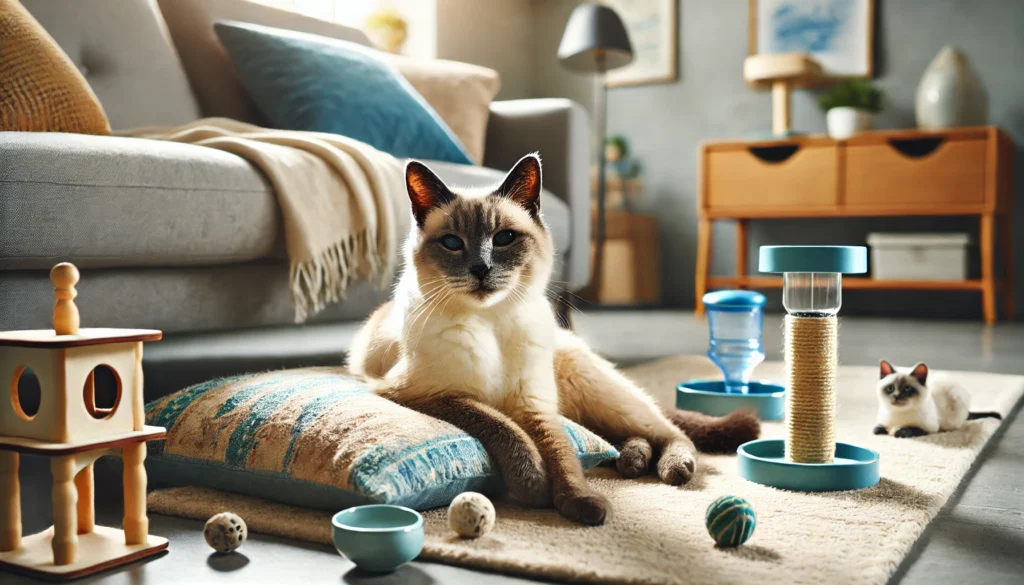
Elderly Cats: Understanding Specific Needs
Behavioral Changes
Elderly cats can experience significant behavioral changes.They may become more reclusive or, on the contrary, more in need of attention. Patience and understanding are key during this phase.Providing a stable and predictable environment helps reduce your cat’s stress and anxiety.
Adaptation to the Elderly
Adaptation to old age should be gradual and careful. Introducing new routines and adjustments to the environment slowly allows the cat to get used to without feeling overwhelmed. Remember, adaptation is a continuous process and requires constant observation and adjustments as needed.
Common Health Problems
The most common health problems in older cats include chronic kidney disease, hypertension, hyperthyroidism, and diabetes. Each of these conditions requires specific monitoring and proper treatment. Early detection through regular checkups can make a significant difference in your cat’s quality of life.
Conclusion
Caring for an elderly cat requires dedication, patience and love.By understanding the specific needs of your feline friend in old age, you can provide a long and healthy life for him.
Proper nutrition, regular health monitoring, comfortable environment, physical and mental activity, dental care, weight control and hygiene are fundamental pillars for the well-being of elderly cats. With the right care, your cat can enjoy its golden years with comfort and joy.
Frequently Asked Questions
1 – How can I adapt my home to an elderly cat?
Adapting your home to an elderly cat involves creating accessible rest areas, providing ramps to reach high places, and ensuring that it has a quiet and safe place to rest.
2 – What is the best food for an elderly cat?
The best diet for an elderly cat is a diet high in high-quality protein, low in fat and easily digestible.
3 – How to know if my cat is developing a chronic disease?
Watch for changes in behavior, weight loss, lethargy, and changes in appetite. Regular visits to the vet are essential to detect and treat chronic conditions early.
4 – Do elderly cats still need toys and activities?
Yes, older cats need mental and physical stimulation.Interactive toys and short play sessions help keep your cat active and healthy.
5 – How can I help my elderly cat clean up?
Regularly brushing your cat’s fur and giving occasional baths can help with hygiene. Keeping your nails trimmed is also important for your cat’s comfort.
6 – What is the ideal frequency of visits to the veterinarian for elderly cats?
Elderly cats should visit the vet at least twice a year for thorough tests, including blood and urine tests, to detect and treat health conditions early.