Dog Training: How to Correct Destructive Behavior
Announcements
Having a dog is an enriching experience, full of joy and love.However, when our four-legged friend develops destructive behaviors, this coexistence can become challenging.Happily, with the right techniques, it is possible to correct these behaviors and restore harmony at home. As a veterinarian specializing in animal behavior, I will guide you through the essential steps to transform the behavior of your dog.
Understanding Destructive Behaviors
First of all, it is crucial to understand why dogs exhibit destructive behaviors.Often, these behaviors are a manifestation of frustration, anxiety or boredom. Dogs are social and active animals; therefore, when their needs are not met, they may resort to chewing furniture, digging the garden or even biting. Understanding the root cause is therefore the first step to correcting the behavior.
Announcements
Identifying the Cause
To effectively address destructive behavior, you must identify the specific trigger. For example, separation anxiety is a common cause of destruction in dogs. Dogs that are left alone for long periods may feel anxious and try to distract themselves by chewing objects.Alternatively, boredom can lead a dog to find its own fun, which often translates into destructive behavior.In addition, changes in the environment, such as the arrival of a new animal or person in the house, can also trigger inappropriate behaviors.
Positive Reinforcement Strategies
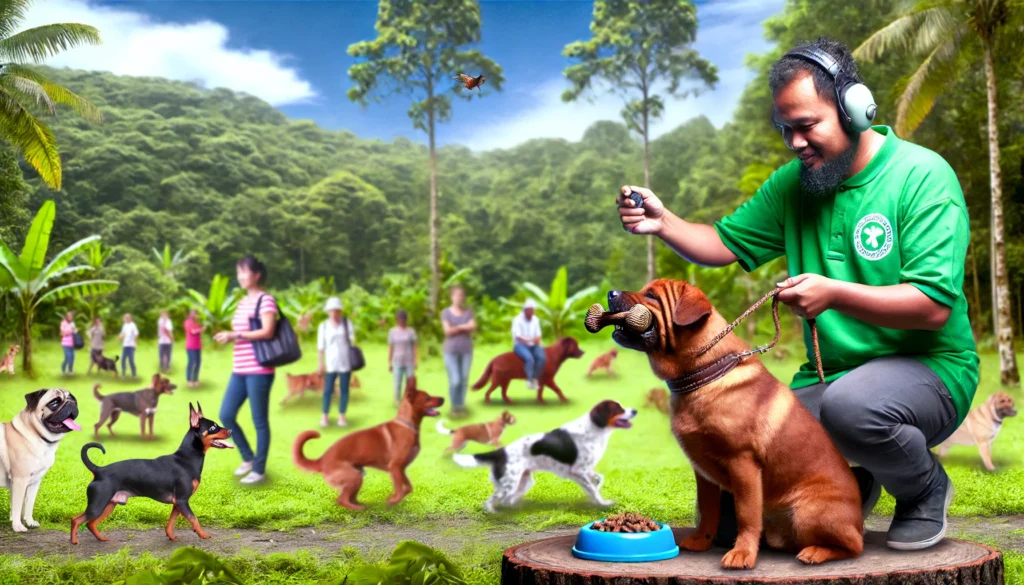
One of the most effective techniques for correcting destructive behaviors is positive reinforcement. Instead of punishing the dog, reward him for desirable behaviors.When your dog chooses to chew on your toy instead of shoes, reward him with a treat or compliments.This approach not only teaches the dog what is acceptable, but also strengthens the bond between you. Positive reinforcement is thus a powerful way to communicate to your dog what behaviors are expected and valued. Additionally, it is critical to be consistent in the rewards so that the dog clearly associates the desired behavior with a positive consequence.
Announcements
The Importance of Exercise and Mental Stimulation
Dogs need regular exercise and mental stimulation to stay happy and healthy. Daily walks, interactive play and puzzle toys are great ways to keep your dog busy and prevent destructive behaviors. Regular exercise helps to expend accumulated energy that otherwise could be directed toward destructive activities.In addition, mental stimulation keeps your dog’s mind active by preventing boredom. For example, I often use hide-and-seek games with toys or treats can be extremely effective at keeping my dog engaged.

Establishing Rules and Routines
Consistency is the key to effective training. Therefore, establish clear rules and maintain a daily routine for your dog. Feeding, walks and moments of play should happen at consistent times. This helps to create a sense of security and predictability, reducing anxiety and destructive behavior. A predictable environment allows the dog to feel safer and less likely to act destructively.For example, set fixed times for meals and maintain a specific place for feeding.
Use of Pheromones and Other Auxiliaries
In some cases, the use of products such as synthetic pheromones can be beneficial. These products mimic the natural pheromones of dogs and can help reduce stress and anxiety. There are also natural supplements that can promote calm in anxious dogs. Products such as pheromone necklaces or diffusers can be particularly useful in home environments, providing a more relaxing atmosphere.In addition, food supplements containing ingredients such as chamomile and valerian can be considered to help promote a sense of calm.
Consultation with a Behavior Specialist
If destructive behaviors persist, it may be necessary to consult an animal behavior specialist.These professionals have the experience and knowledge to develop a personalized training plan that meets your dog’s specific needs.Often, a multifaceted approach is required to solve complex behavior problems.Experts can offer valuable insights and advanced strategies for dealing with challenging behaviors.For example, desensitization and counter-conditioning techniques are often used to treat behavior problems in dogs.
FAQs on Dog Training: How to Correct Destructive Behaviors
What should I do if my dog bites my furniture?
Start by identifying the reason for the behavior, and then redirect the dog’s behavior to an appropriate toy.
How can I prevent separation anxiety in my dog?
Gradually get your dog used to being alone for short periods and increase the time gradually.Use interactive toys to keep him busy and consider using synthetic pheromones.
What are the best toys to prevent destructive behavior?
Puzzle toys, toys stuffed with snacks, and durable chew bones are great options for keeping your dog busy and mentally stimulated.
Should I punish my dog for destructive behavior?
Punishment can increase fear and anxiety. Instead, focus on positive reinforcement and guiding the dog’s behavior toward appropriate alternatives.
How important is physical exercise to avoid destructive behavior?
Exercise helps to expend accumulated energy, reducing boredom and frustration that can lead to destructive behaviors.Daily walks and play are essential.
Are there any natural supplements that can help calm my dog?
Yes, supplements like valerian and chamomile can help calm anxious dogs.Always consult your veterinarian before introducing new supplements into your dog’s diet.
Conclusion
Correcting destructive behaviors in dogs may seem like a challenging task, but with patience, consistency and the right techniques, it is possible to transform your dog’s behavior and improve coexistence. Remember that each dog is unique and can respond differently to training methods. Therefore, stay committed and seek professional guidance when necessary.In the end, you will have a happier and more well-behaved companion.