Complete Guide to Creating Reptiles at Home: Essential Tips and Care
Announcements
Reptile breeding at home can be a fascinating and rewarding experience.However, caring for these exotic animals requires knowledge, dedication and a special attention to detail.If you are considering adopting a reptile as a pet, this guide will provide you with all the information you need to ensure that your new friend receives the appropriate care and lives a long and healthy life.
Choosing the Right Reptile for You
First of all, it is crucial to choose the reptile species that best suits your lifestyle and your care capabilities.There are a huge variety of reptiles available on the pet market, from the small and relatively easy to care for, such as leopard geckos, to the more challenging ones, such as green iguanas. Remember to research extensively on the specific needs of each species and consider factors such as adult size, behavior and diet.
Announcements
Riding the Ideal Terrarium
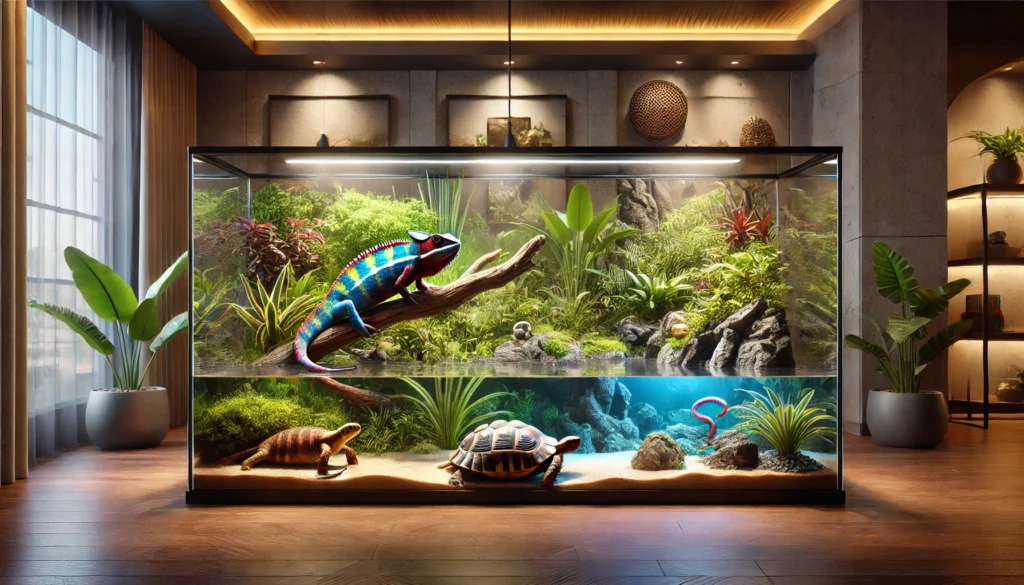
The habitat of your reptile, known as a terrarium, is one of the most important aspects to ensure its well-being. The terrarium must replicate the natural conditions of the species, including temperature, humidity, lighting and space. For example, a leopard gecko needs a dry and warm environment, while an aquatic turtle will need an area with water and a dry zone to warm up. Investing in a thermostat and hygrometer will help monitor and maintain the ideal conditions within the terrarium.
Adequate Feeding
The diet of reptiles varies greatly between species. Some are herbivores, such as iguanas, while others are carnivores, such as snakes. There are also omnivores, such as bearded dragons, who eat a mixture of vegetables and insects. It is vital to provide a balanced diet that meets the specific nutritional needs of your reptile, ensuring that it receives all the essential vitamins and minerals. In addition, it is important to avoid overfeeding, which can lead to obesity and other health problems.
Announcements
Health Care
Reptiles are resilient animals, but that doesn't mean they don't need regular veterinary care. Respiratory infections, skin problems, and parasites are some of the common diseases that can affect them. Having a reptile-specialized veterinarian is crucial for proper diagnosis and treatment. Additionally, regular observation of your reptile's behavior and appearance can help identify health problems before they become serious. Never underestimate the importance of an annual exam, even if the reptile appears healthy.
Handling and Interaction
Unlike dogs and cats, reptiles are not pets that require constant interaction with their owners. However, this does not mean that you can not handle them. Each species has its own preferences and tolerances to handling. For example, bearded dragons are often more receptive to human contact, while snakes can easily stress if handled excessively. Always wash your hands before and after handling your reptile to prevent the transmission of diseases.
Lighting and Temperature
Lighting and temperature are crucial for reptile health, as many rely on external heat sources to regulate body temperature. UVB lamps are essential for species that need to synthesize vitamin D3, such as iguanas and turtles. Creating a thermal gradient in the terrarium allows the reptile to move between warmer and cooler areas as needed. Additionally, maintaining proper nighttime light can help simulate a natural day-night cycle.
Terrarium Hygiene
Keeping the terrarium clean is key to preventing disease.This includes regular removal of feces, cleaning of surfaces and changing water. The terrarium substrate must also be periodically changed to prevent the proliferation of bacteria and fungi.Using reptile-safe cleaning products is essential to avoid exposure to harmful chemicals.
Reptiles and Children
If you have children at home, it is important to choose a reptile that is safe and suitable for them. Smaller and more docile species, such as geckos and bearded dragons, are generally more suitable. Teach children to handle reptiles carefully and respect their space, avoiding sudden movements that may frighten them. Always supervise interactions between children and reptiles to ensure the safety of both.
Lawfulness and Ethics in Acquisition
Ensure that the acquisition of your reptile is in accordance with local laws and that the animal is sourced from an ethical and responsible breeder. Illegal capture of wild reptiles can endanger entire populations and contribute to the destruction of ecosystems. Supporting responsible trade practices helps preserve biodiversity and promote species conservation.
Environmental Enrichment
Reptiles, like other pets, benefit from an enriched environment that stimulates their natural behaviors. This can include hiding places, live plants, climbing branches and various types of substrate. Enriching your reptile's environment helps keep it mentally stimulated and physically active.In addition, introducing new elements periodically can reduce boredom and promote more natural behavior.
Signs of Stress in Reptiles
Identifying signs of stress is essential to your reptile's health. Behaviors such as refusal to feed, changes in skin color, wheezing and constant attempts to escape from the terrarium may indicate that something is wrong. Adjusting habitat conditions or consulting a veterinarian may be necessary to address these problems. Prolonged stress can lead to serious health problems, so it is crucial to address any signs immediately.
Adapting to the New Home
Adapting a reptile to the new home can take some time. It is important to leave it calm in the first days, avoiding excessive handling and ensuring that the terrarium is properly assembled before its arrival. Gradually, you can begin to interact more with the animal as it gets used to the new environment. Creating a safe and quiet environment helps reduce stress during the adaptation phase.
Socialization between Reptiles
If you plan to keep more than one reptile in the same terrarium, it is essential to ensure that the species are compatible and that there is enough space for everyone. Some reptiles are territorial and can fight if kept together, while others can live harmoniously in groups. Watch closely for behaviors and be prepared to separate animals if there are signs of aggression or stress.

Emergency Preparation
Having an emergency plan is crucial for any reptile owner.This includes having a reptile-specific first aid kit and knowing how to deal with situations such as breakouts, injuries or sudden illnesses. Knowing the emergency veterinary clinics in your area is also important. Keeping an up-to-date contact from the veterinarian and a clear plan can make all the difference in a crisis situation.
Transporting Your Reptile
If you need to transport your reptile, whether for a veterinary consultation or a change of residence, it is important to do so safely. Use appropriate transport boxes and keep the temperature controlled during transport. Avoid sudden movements and keep the reptile calm and safe throughout the trip.
Benefits of Creating Reptiles
Raising reptiles can be extremely educational and rewarding.These exotic animals can teach a lot about biology, ecology and conservation.In addition, reptiles have a quiet presence and can provide a serene environment for their owners. Caring for a reptile can also promote discipline and responsibility, especially for children.
Common Challenges
Like any other pet, raising reptiles can present challenges.Health problems, behavioral issues and the need to maintain a controlled environment are just some of the aspects to consider. However, with preparation and dedication, many of these challenges can be overcome, leading to a rewarding experience for the owner and a healthy life for the reptile.
Educational Resources
For those who wish to learn more about reptile breeding, there are plenty of resources available. Books, specialized magazines, online forums and social networking groups can provide valuable information and support. Attending reptile exhibitions and community events can also be a great way to connect with other enthusiasts and learn from their experiences.
Common Myths About Reptiles
There are many myths about reptiles that can discourage people from adopting them as pets.For example, some believe that all reptiles are dangerous or difficult to care for. In reality, many reptiles are perfectly safe and can be wonderful pet companions when well cared for. Demystifying these beliefs is important to promote responsible adoption and reptile welfare.
Environmental Impact
Raising reptiles responsibly can also have a positive impact on the environment. Promoting conservation and supporting the ethical trade in reptiles can help protect wild populations and their habitats.In addition, educating others about the importance of conservation can amplify these efforts and create a more conscious and responsible community.
Contribution to Conservation
By adopting responsible practices and supporting conservation initiatives, reptile owners can make a significant contribution to the protection of these fascinating species. Participating in conservation programs, donating to reptile protection organizations, and educating others about the importance of biodiversity are effective ways to make a difference.
Conclusion
Raising reptiles at home is a journey full of discoveries and learnings.From choosing the ideal reptile to assembling an appropriate terrarium, each step requires attention and dedication. With the right care, these exotic animals can bring a lot of joy and satisfaction, as well as being an excellent opportunity to learn about biodiversity and animal behavior.
Whether you are a beginner or an experienced enthusiast, there is always something new to learn about these fascinating animals. Remember that the responsibility of caring for a reptile is great, but the rewards are also immense. Adopting good care practices and staying informed are the best ways to ensure a long and healthy life for your pet reptile.