The 10 Most Beautiful Wild Birds in the World and Their Habitats
Announcements
Imagine yourself walking through a lush forest, where the sun’s rays filter through the treetops and the air is filled with a symphony of melodious songs. Suddenly, you spot a bird of vibrant colors, with feathers that look hand-painted. The sense of wonder at seeing this creature in its natural habitat is indescribable. Wild birds are not only a delight to the eyes, but also play vital roles in ecosystems around the world. As a biologist specializing in wild and exotic animals, I invite you to embark on this fascinating journey to meet the 10 most beautiful wild birds in the world and their habitats.
1 – Blue peacock (Pavo cristatus)
The blue peacock, with its iridescent feathers and the famous colorful fan, originates from the forests of India and Sri Lanka. This stunning bird not only displays its beauty during the mating season, but also plays a crucial role in Indian culture and mythology.Dwelling mainly open forest areas and fields, the blue peacock uses its plumage to intimidate predators and attract mates.
Announcements
2 – Blue macaw (Anodorhynchus hyacinthinus)
The blue macaw, the largest species of macaw, is a true icon of the rainforests of South America, especially in Brazil. With a vibrant blue plumage and a powerful beak, this bird is both majestic and endangered. The habitat of the blue macaw includes moist forests and palm groves, where it feeds mainly on seeds and fruits. Conservation of these birds is vital, as they play an important role in seed dispersal, contributing to forest regeneration.
3 – Quetzal-bright (Pharomachrus mocinno)
In the cloud forests of Central America, lives the resplendent quetzal, a bird revered for its beauty and cultural symbolism. With its iridescent green feathers and a long pair of caudal feathers, quetzal is a rare and precious spectacle. These birds depend on high humidity habitats and are indicators of the health of tropical forests. Unfortunately, habitat loss and poaching threaten the survival of quetzal, making the protection of their forests an urgent priority.
Announcements
4 – Flamingo (Phoenicopteridae)
Flamingos, with their bright pink feathers and elegant long legs, are iconic inhabitants of salt lakes and wetlands around the world. These filter birds get their distinctive coloring from the carotenoid-rich diet, which includes algae and small crustaceans.Species such as the Caribbean flamingo and the Andean flamingo can be found in tropical and subtropical regions, where they congregate in large colonies.
5 – Paradisebird (Paradisaeidae)
In the rainforests of New Guinea and surrounding islands, birds of paradise exhibit one of the most impressive diversities of shapes and colors in the animal kingdom. With elaborate dances and plumages that seem to come out of a fairy tale, these birds are a testament to the creativity of evolution. Each species of bird of paradise has a specific habitat, ranging from lowland forests to high altitudes. Conservation of these forests is vital to protect these living gems from nature.
6 – Common kingfisher (Alcedo atthis)
The common kingfisher, with its bright blue and orange feathers, is a master of fishing in the shallow waters of rivers and lakes in Europe and Asia.This agile and precise bird dives to catch small fish and aquatic invertebrates, exhibiting incredible skill.Hawksfishers are important indicators of water quality in their habitats, highlighting the need to preserve clean and healthy aquatic environments.
7 – Toucan-toco (Ramphastos toco)
The toco toucan, with its huge and colorful beak, is an unmistakable symbol of the rainforests of South America. This beak, although it looks heavy, is surprisingly light and useful for reaching fruits on inaccessible branches. toucans play a crucial role in seed dispersal, helping in the regeneration of forests. Protecting their habitat is essential to maintain the ecological balance of these regions.
8 – Colibri-rubi (Archilochus colubris)
Hummingbirds are true miracles of nature, and the hummingbird, with its iridescent feathers and precise flight capability, is one of the most fascinating.Finded primarily in North America, this small bird feeds on flower nectar and plays a vital role in pollination. Hummingbird habitats range from forests to urban gardens, demonstrating its adaptability. Conservation of native plants and flowering habitats is critical to the survival of these amazing aviators.
9 – Parrot-ecletus (Eclectus roratus)
The ecletus parrot, with marked sexual dimorphism where males are bright green and females red and blue, is native to the forests of New Guinea and neighboring islands.This parrot prefers tropical forest and mangrove habitats where it feeds on fruits, nuts and seeds. Its beauty and intelligence have made it a favorite among bird lovers, but illegal capture and habitat destruction threaten its wild populations.
10 – Pink cockatoo (Eolophus roseicapilla)
The pink cockatoo, with its soft pink and gray plumage, is a common sight in the arid and semi-arid regions of Australia. Known for its sociable and playful personality, this bird forms large flocks and feeds on seeds and vegetation. Pink cockatoo habitats include woodlands, grasslands and agricultural areas where they are adaptable and resilient. Conservation of these environments is essential to ensure that these enchanting birds continue to thrive.
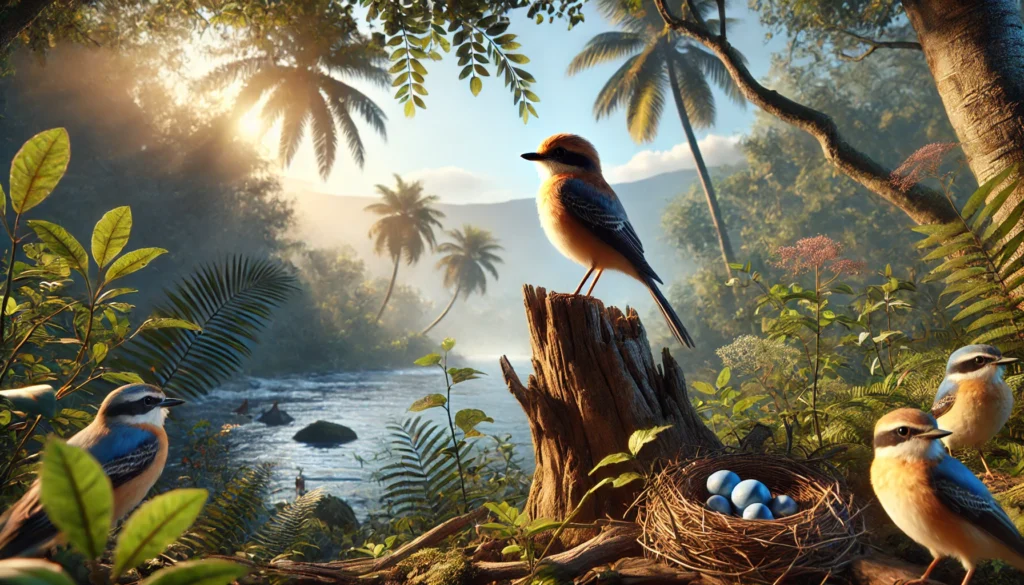
The importance of habitats for bird survival
Preservation of natural habitats is essential for wild bird survival. These environments not only provide food and shelter, but are also critical to the reproductive and social behavior of these species.Destruction of habitats due to deforestation, urbanization, and climate change has a devastating impact on bird populations, many of which are already at risk of extinction.
Tropical Forests
Tropical forests are some of the richest habitats in biodiversity on the planet.They are home to numerous bird species, including the blue macaw and the resplendent quetzal.These birds depend on the dense tree canopies and the abundance of fruits and insects that these forests provide. Conservation of these areas is vital not only for birds but also for the overall health of our planet, as tropical forests play a crucial role in regulating the global climate.
Wet Zones
Wetlands, such as swamps, lakes and estuaries, are critical habitats for many bird species, such as flamingos.These areas provide an abundance of food resources and are important sites for the reproduction and migration of waterfowl.Pollution and drainage of these areas for agriculture and urban development threaten the survival of many bird species that depend on these wetlands.
Mountainous Regions
Mountainous regions offer unique habitats for birds such as the resplendent quetzal.Mistle forests and mountain valleys are biodiversity-rich areas and provide refuge for many endangered species.However, mining, deforestation and climate change are putting pressure on these fragile ecosystems. Protecting mountainous regions is essential for the conservation of global biodiversity.
Deserts and Savannas
Deserts and savannas, although seemingly inhospitable, are home to several bird species adapted to these arid environments. Pink cockatoos and toucans are examples of birds that thrive in savannas and semi-arid areas. These birds play important roles in seed dispersal and in maintaining the ecological balance of these ecosystems. Conservation of savannas and deserts is critical to the survival of these species and the health of the ecosystems where they live.
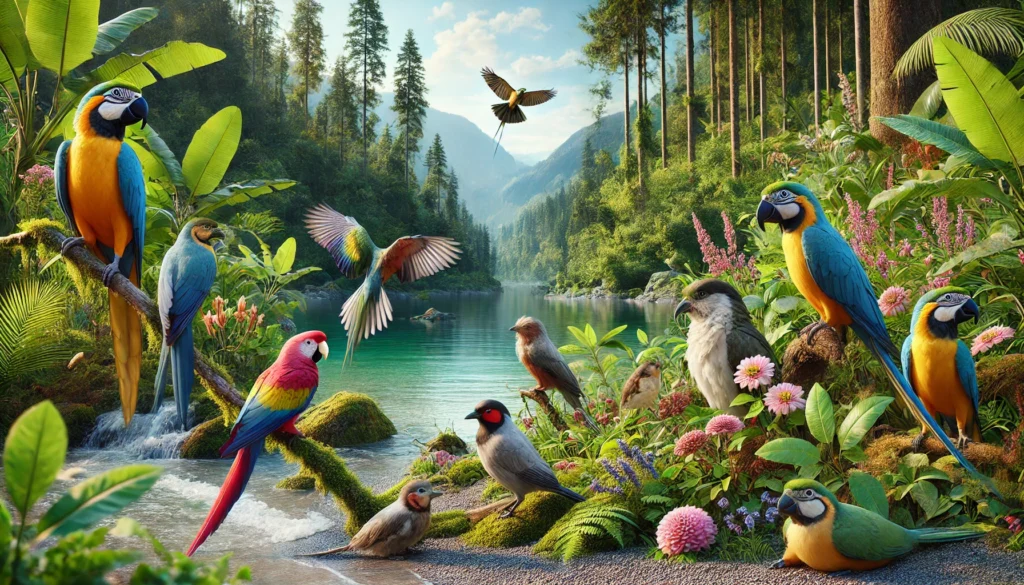
Conclusion
Exploring the beauty and diversity of the world’s wild birds is a truly enriching experience.Each of these birds, from the dazzling blue peacock to the enchanting pink cockatoo, not only captivates our senses, but also plays crucial roles in their respective ecosystems. Protecting their habitats is critical to ensuring that these wonders of nature can be enjoyed by future generations.Whether in dense rainforest or vast savannas, each bird contributes to the vibrant and interconnected tapestry of life on Earth.
Frequently Asked Questions
What are the main threats to wild birds?
Major threats include habitat destruction, poaching, animal trafficking and climate change, which affect food availability and nesting sites.
How can I help in the conservation of wild birds?
You can support conservation organizations, reduce the use of products that contribute to habitat destruction, plant native vegetation, and promote education about the importance of wild birds.
Can wild birds be kept as pets?
Although some birds can be legally kept as pets, many wild birds are protected by laws prohibiting their capture and trade.
What is the role of birds in nature?
Birds play a variety of roles, including pollination, pest control, seed dispersal and maintaining ecosystem health.
Why is bird diversity important?
Bird diversity contributes to the stability and resilience of ecosystems by ensuring that multiple ecological functions are performed. In addition, genetic diversity helps species adapt to environmental changes.
What are some of the rarest birds in the world?
Some of the rarest birds include the hermit ibis, ivory-billed woodpecker and the Mauritius pigeon, which face severe threats of extinction due to habitat loss and hunting.