Wild Animals in Extinction: What Can We Do to Help?
Announcements
Concern about the extinction of wild animals is growing more and more, and for good reason.In a world where the diversity of life is constantly threatened by human activities, the preservation of endangered species has become a global priority.
Imagine a world without the majesty of the tiger, without the grace of the snow leopard, or without the singing of the golden lion tamarin.
Announcements
Each species plays a crucial role in its ecosystems, and their loss can have devastating consequences for environmental balance. Therefore, the responsibility to preserve them lies not only with governments and organizations, but with each of us. But how can we do this?
The Importance of Wild Animal Conservation
Wild animals perform vital ecological functions such as pollination, seed dispersal, pest control and maintenance of fertile soil.The extinction of a single species can trigger a cascade of negative effects on their habitat and beyond.
Announcements
For example, ecotourism, which relies on wildlife observation, generates billions of dollars globally and sustains entire communities.The loss of these species is therefore not only an ecological tragedy but also an economic disaster.
Species in Danger: Notable Cases
Tiger (Panthera tigris)
The tiger, one of the most iconic creatures on the planet, is dangerously close to extinction.With fewer than 4,000 individuals remaining in the wild, their survival depends on conserving their habitats and fighting poaching.
Golden Lion Tamarin (Leontopithecus rosalia)
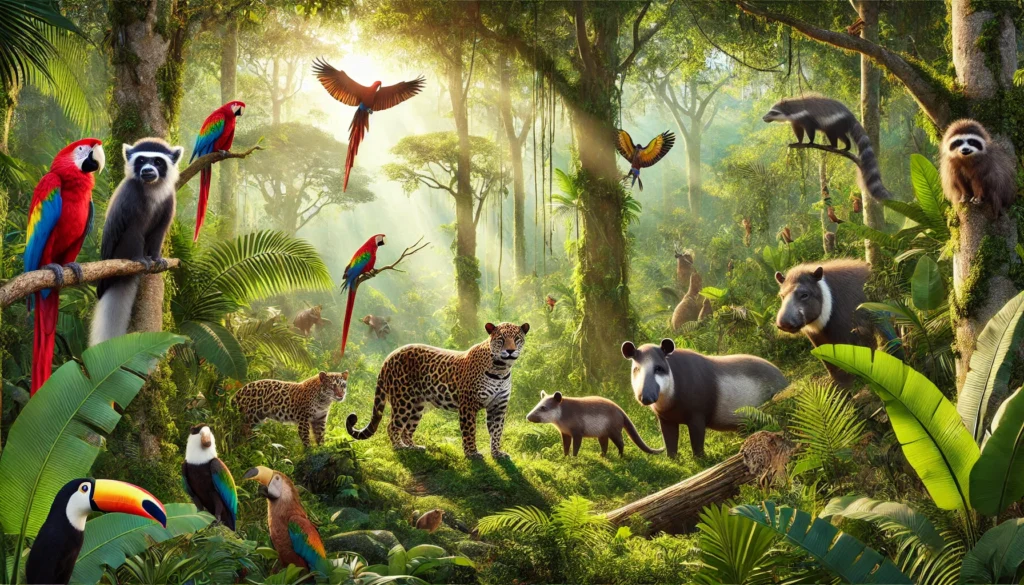
Endemic to Brazil’s tropical forests, the golden lion tamarin is a jewel of South American biodiversity. Reintroduction and reforestation projects have been crucial to increase their populations, but habitat destruction is still a major threat.
Java Rhinoceros (Rhinoceros sondaicus)
With fewer than 75 individuals remaining, the Java rhino is one of the rarest mammals in the world. Conservation efforts include strict protection of its habitat and prevention of poaching.
Neves Leopard (Panthera uncia)
Inhabiting the mountains of Central Asia, the snow leopard faces poaching and habitat loss due to global warming.With fewer than 10,000 individuals in the wild, conservation of this species is crucial for maintaining high-altitude ecosystems.
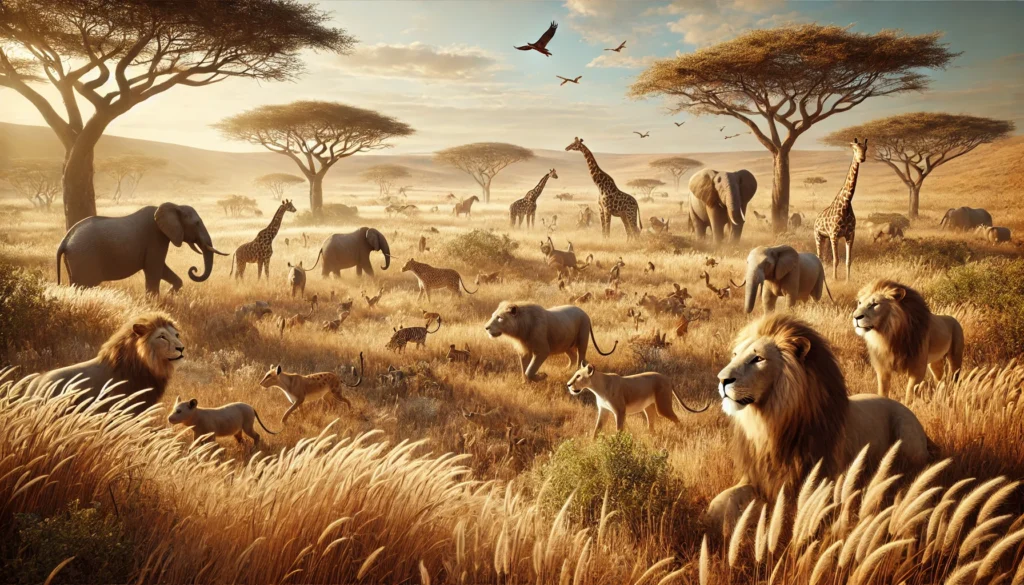
African Elephant (Loxodonta africana)
African elephants are constantly threatened by poaching and habitat destruction.Conservation efforts include the creation of ecological corridors and the fight against the illegal ivory trade.
Causes of Extinction
Species extinction is not a new phenomenon, but the alarming rate at which it is occurring today is unprecedented
Habitat Loss
Deforestation, urbanization and intensive agriculture are destroying the natural homes of animals.Without a suitable habitat, many species cannot survive.
Hunting and Illegal Trade
Poaching and animal trafficking are largely responsible for decreasing populations of various species. Animals such as elephants and rhinos are hunted for their tusks and horns, respectively.
Climate Change
Global warming alters natural habitats and migration patterns, directly affecting the survival of animals.
Pollution
Chemicals, plastics and other pollutants are contaminating natural habitats, causing disease and death in many species.
What Can We Do to Help?
Support and Participate in Conservation Projects
Organizations like WWF, Greenpeace and several local NGOs are on the front lines of the battle to save endangered species.Donating to these organizations or volunteering on their projects can make a big difference.
Education & Awareness
Education is one of the most powerful tools in conservation. Informing and educating others about the importance of biodiversity and the dangers of extinction is key. Awareness programs in schools and communities can help create a more conscious and responsible generation.
Sustainable Consumption Practices
Opting for sustainable and certified products, avoiding the use of single-use plastics, and supporting companies with eco-friendly practices are effective ways to reduce environmental impact.This includes consuming certified wood products, preferring organic foods, and supporting brands that invest in fair trade practices.
Government Policies and Collective Actions
Supporting government policies aimed at environmental protection is crucial. Petitions, peaceful protests and political engagement can pressure governments to adopt stricter conservation measures.
Responsible Tourism
Ecotourism can be a powerful tool for conservation if done responsibly. Choosing tour operators that respect the environment and contribute to local conservation can help protect habitats and species.
Reducing Meat Consumption
Livestock is one of the biggest drivers of habitat destruction and greenhouse gas emissions. Reducing meat consumption or opting for sustainable alternatives can significantly decrease environmental impact.
Supporting Agroecology
Agroecology promotes sustainable agricultural practices that conserve biodiversity and reduce dependence on chemicals. Supporting farmers who adopt these practices is a way to contribute to the conservation of natural habitats.
Examples of Success in Conservation
Although the challenges are immense, there are inspiring success stories that remind us that change is possible. The case of the giant panda is an excellent example. Thanks to intense conservation efforts and captive breeding programs, pandas have been reclassified from “threatened” to “vulnerable”.
Another notable example is the increase in humpback whale populations, which were hunted almost to extinction in the 20th century.The creation of marine protected areas and the ban on commercial whaling allowed these magnificent creatures to regain their populations.
The Conservation of Wild Animals in Brazil
Brazil, with its vast biodiversity, faces unique challenges in conservation. Projects such as the reintroduction of the golden lion tamarin and the preservation of the giant anteater are fundamental for the protection of endemic species.In addition, the creation of natural reserves and the promotion of sustainable agricultural practices are essential steps in the preservation of critical habitats.
The Amazon, for example, is one of the richest ecosystems in biodiversity in the world, but it is constantly threatened by deforestation. Conservation efforts include satellite monitoring, enforcement against illegal deforestation, and the promotion of agroforestry systems that reconcile agricultural production with conservation.
How to Engage in Conservation
Volunteering
Many organizations offer volunteer opportunities in conservation projects, which can include everything from fieldwork in protected areas to awareness campaigns in urban areas.
Donations
Financially supporting conservation organizations is a direct way to contribute. These grants are used to fund research, species reintroduction programs, and habitat protection efforts.
Participation in Animal Adoption Programs
Some NGOs offer symbolic adoption programs where you can “adopt” an animal and contribute to its protection.In return, you receive updates on the progress of conservation efforts.
Engagement in Public Policy
Pressuring politicians and supporting environmental legislation is crucial.Participating in public consultations, signing petitions and voting for candidates committed to conservation are effective ways to influence public policy.
Conclusion
The extinction of wild animals is an urgent issue that demands our immediate attention.Every species we lose is an irreparable loss to the biodiversity of the planet and to humanity. However, there is hope. With concerted efforts, education, effective policies and individual actions, we can make a difference. Protecting tigers, golden lion tamarins, rhinos and so many other species at risk is a shared responsibility. After all, wildlife conservation is ultimately the conservation of our own future.