Top 5 Exotic Animals Allowed in Brazil: Legality and Care
Announcements
Owning an exotic animal as a pet is a dream for many animal lovers. The idea of having at home a creature that escapes the ordinary, with unique characteristics and fascinating behaviors, is quite attractive.However, it is crucial to understand that caring for an exotic animal requires special attention, specific knowledge and, above all, legality.
In Brazil, there are strict regulations for the possession of these animals. Therefore, if you are considering having an exotic animal, it is essential to be well informed about which species are allowed and what care is needed. We will explore the top 5 exotic animals allowed in Brazil, discussing their characteristics, necessary care and the legalities involved.
Announcements
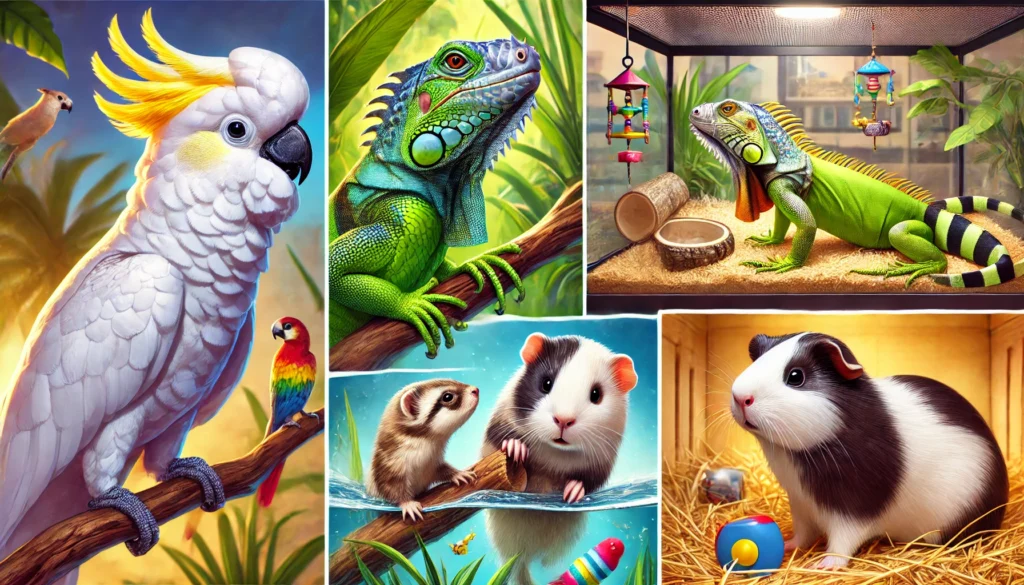
Cockatoo: Beauty and Intelligence in Feathers
The cockatoo is a very popular exotic bird among bird lovers.Originarily from Australia, they are known for their dazzling white feathers and their characteristic yellow crest.In addition to being visually appealing, cockatoos are extremely intelligent and can learn to imitate human sounds and words, making them excellent interactive companions.
However, having a cockatoo requires commitment. They need a lot of attention and mental stimulation to stay healthy and happy. Proper nutrition, with a varied diet that includes seeds, fruits and vegetables, is essential. In addition, it is essential to ensure that the bird has adequate space to fly and exercise. Cockatoos are also known to live for many years, and can reach up to 60 years in captivity, which requires a long-term commitment.
Announcements
On the other hand, the owner of a cockatoo needs to be aware that these birds have a very strong social behavior and require constant interaction. Otherwise, they may develop behavioral problems, such as feather plucking. Thus, it is recommended that the home environment be enriched with toys and mental challenges to keep the bird engaged.
Iguana: A Fascinating Reptile
iguanas are exotic reptiles that have gained popularity as pets in Brazil.Originary to Central and South America, these caterpillars can grow quite large, reaching up to 1.5 meters in length. Their vibrant colors and quiet behavior make them attractive to those who want an exotic animal of impressive appearance.
However, iguanas require specific care. They need an environment that simulates their natural habitat, with a controlled temperature and adequate humidity. Their diet should be rich in green vegetables, fruits and vegetables, avoiding foods that may be harmful to their health. Another important aspect is to ensure a large space so that they can move freely, and accessories such as branches and rocks for climbing are essential for their well-being.
In addition, it is vital to understand that iguanas are animals that require a lot of patience from the owner, especially at the beginning. They can take time to get used to human handling, and the process of socialization must be done with care and respect for the limits of the animal. Therefore, it is recommended that the owner be prepared to devote time and effort in creating a bond with his pet.
Ferret: Small, Agile and Curious
Ferrets are extremely curious and playful small mammals. They are known for their agility and energy, making them very fun pets.In Brazil, the possession of ferrets is allowed, provided they are acquired from legal breeders and have adequate documentation.
Caring for a ferret requires attention to its food, which should be rich in protein and fats. They also need a safe environment to explore, with many opportunities for play and exercise. Ferrets are social animals, so it is recommended that they have constant interaction with their owners or other ferrets to avoid destructive behaviors arising from boredom.
Additionally, it is important to note that ferrets have a natural tendency to hide and explore small spaces. In this way, it is crucial to ensure that the house is puncture-proof and that there are enough toys to keep them occupied. In addition, ferrets need regular veterinary care to prevent common diseases among the species, such as dental problems and adrenal diseases.
Water Tiger Tortoise: Tranquility in Aquaria
The water tiger tortoise, also known as the red-eared turtle, is a highly prized aquatic reptile as a pet. Originating in the United States, it has adapted well to the Brazilian climate and is allowed as a pet in the country.
Maintaining a water tiger turtle requires the creation of an adequate aquatic habitat, with clean and filtered water, as well as a dry place where it can warm up. The diet of this reptile must be balanced, composed of specific rations, vegetables and small invertebrates. The cleaning of the aquarium is essential for the health of the turtle, preventing common diseases in poorly cared aquatic environments.
Moreover, it is essential that the aquarium has an efficient filtration system and a UVB lamp, which helps in the synthesis of vitamin D3, essential for the bone health of the reptile. It is also necessary a place where the tortoise can warm up and rest, as these animals need temperature cycles to regulate their metabolism.
Piggy India: A Friendly Little Rodent
Guinea pigs are very popular small rodents in Brazil. They are known to be docile and easy to handle, making them an excellent choice for families with children.In addition, they are relatively easy to care for as long as their basic needs are met.
Feeding guinea pigs should include hay, fresh vegetables and species-specific feed.They also need adequate space to move around, with toys and hiding places that provide mental and physical stimulation. Regular cleaning of the environment is crucial to prevent disease and ensure the health of the animal.
Still, guinea pigs are animals that require social interaction and constant stimulation. Therefore, it is beneficial to keep more than one guinea pig together, as they are naturally social.In addition, it is important to ensure that the cage is always clean and that the diet is balanced to avoid common health problems such as obesity and nutritional deficiencies.
Legal and Ethical Considerations
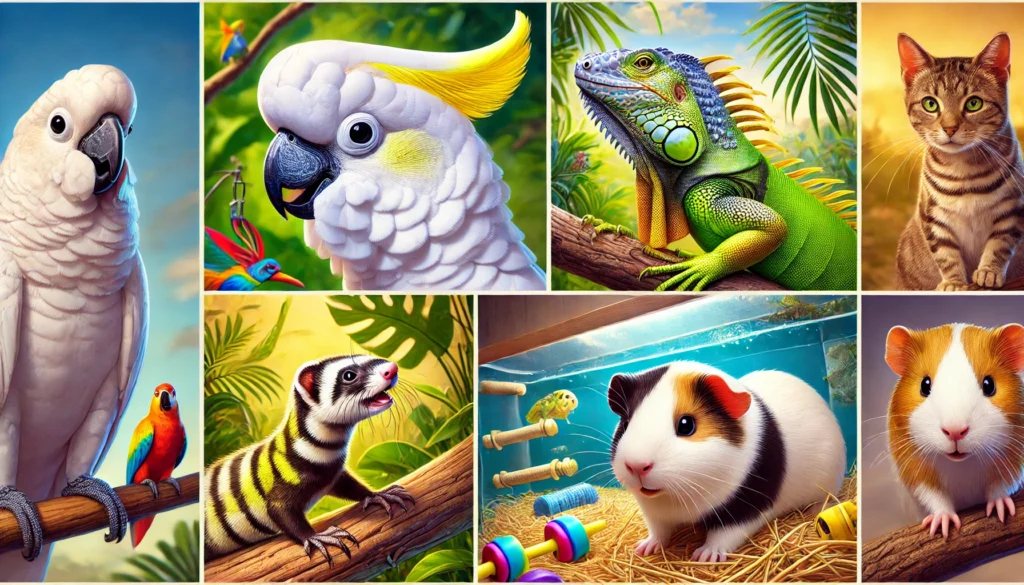
Having an exotic animal as a pet in Brazil requires not only specific care, but also compliance with legal regulations. It is essential to acquire these animals from legal breeders and avoid buying illegally caught species in the wild. Appropriate documentation, such as the possession license, must always be up to date to avoid problems with environmental authorities.
In addition, it is important to consider the ethical responsibility of keeping an exotic animal. These animals often have very different needs from conventional pets and require a significant commitment in terms of time, resources and knowledge.The decision to have an exotic animal should be well thought out and based on the ability to offer a suitable environment and appropriate care.
Another crucial point is awareness about the preservation of species. Acquiring an exotic animal irresponsibly can contribute to illegal trafficking of animals and put species at risk of extinction. Therefore, the choice must be made in an ethical and informed manner, always seeking reliable sources that respect environmental standards.
Conclusion
Exotic animals can bring a unique and fascinating dimension to the experience of having a pet. In Brazil, options such as cockatoo, iguana, ferret, water tiger and guinea pig are legally available and, with the right care, can become wonderful companions.
However, it is essential to understand and respect the specific needs of each species, ensure the legality of ownership and be prepared for the commitment that these animals require. Thus, it is possible to enjoy an enriching and harmonious coexistence with these incredible exotic animals.