Diet and Feeding of Wild Animals in Captivity: Complete Guide
Announcements
Caring for a wild animal in captivity is a task that requires responsibility and dedication. The diet and feeding of these animals are fundamental elements to ensure their health and well-being. Imagine a scenario where the beauty of nature meets the serenity of the home, providing a balanced and healthy life for your exotic companions. In this article, we will explore in detail the food needs of different species, from reptiles to birds, offering practical guidelines and valuable insights for all caregivers of wild animals.
The Importance of a Proper Diet
Correct feeding is essential to keep captive wild animals healthy and active. Just like us, they need a balanced diet that meets their specific nutritional needs. An imbalance in feeding can lead to health, behavioral problems and even premature death. Therefore, understanding the particularities of each species is crucial to provide a long and healthy life to our animal friends.
Announcements
Reptile Nutritional Requirements
Reptiles have very specific food needs that vary according to the species. Iguanas, for example, are herbivores and should consume a diet rich in green leafy vegetables, fruits and vegetables. Since snakes, being carnivores, need a diet based on small mammals or birds. Supplementation with vitamins and minerals is also essential to avoid common nutritional deficiencies among reptiles in captivity.
Exotic Mammals: Diversified Feeding
Exotic mammals, such as ferrets, require a diet rich in protein and fat, similar to the diet of wild carnivores.Fruits and vegetables can be offered in limited quantities, while lean meats and high-quality feed should form the basis of the diet. Variation and food enrichment are important to keep these animals mentally stimulated and physically healthy.
Announcements
Birds: Balanced Nutrition for Healthy Flying
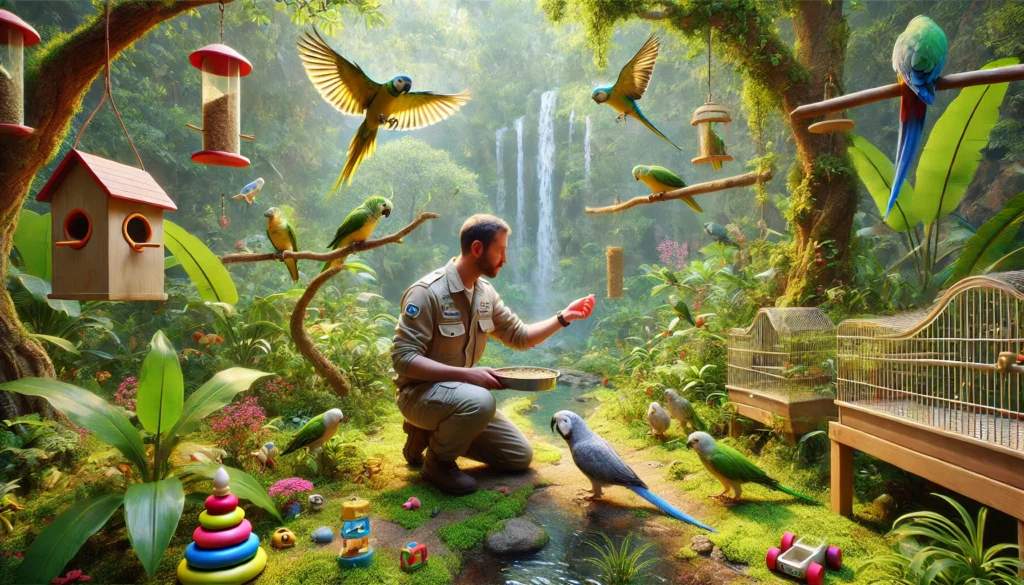
Birds, in turn, have a diet that varies significantly between species. Parrots, for example, require a combination of seeds, fresh fruits, vegetables and pellets formulated especially for birds. Already birds of prey, such as hawks and owls, need a diet rich in protein, including fresh meat. The supply of calcium is vital for bone health and reproduction of these captive birds.
Ornamental Fish: Special Care with Food
Ornamental fish are often forgotten when talking about specific diet. However, each species has different needs. Herbivorous fish should be fed a diet rich in vegetables, while carnivores require live or frozen foods, such as small crustaceans.The quality of water and proper nutrition are crucial for the longevity of fish in aquariums.
Insects and Invertebrates: Natural Food
Insects and invertebrates, such as spiders and scorpions, also have specific diets. Many of them feed on smaller insects, and supplementation with vitamins and minerals may be necessary to ensure a complete diet.The creation of an environment that simulates the natural habitat of these animals contributes to their well-being in captivity.
Importance of Hydration and Supplementation
In addition to diet, hydration is a vital aspect for the health of wild animals in captivity. The constant supply of clean and fresh water is essential. In some cases, supplementation with vitamins and minerals is necessary to avoid nutritional deficiencies. This supplementation should be done under the guidance of a specialized veterinarian, ensuring that the specific needs of each species are met.
Environmental and Food Enrichment
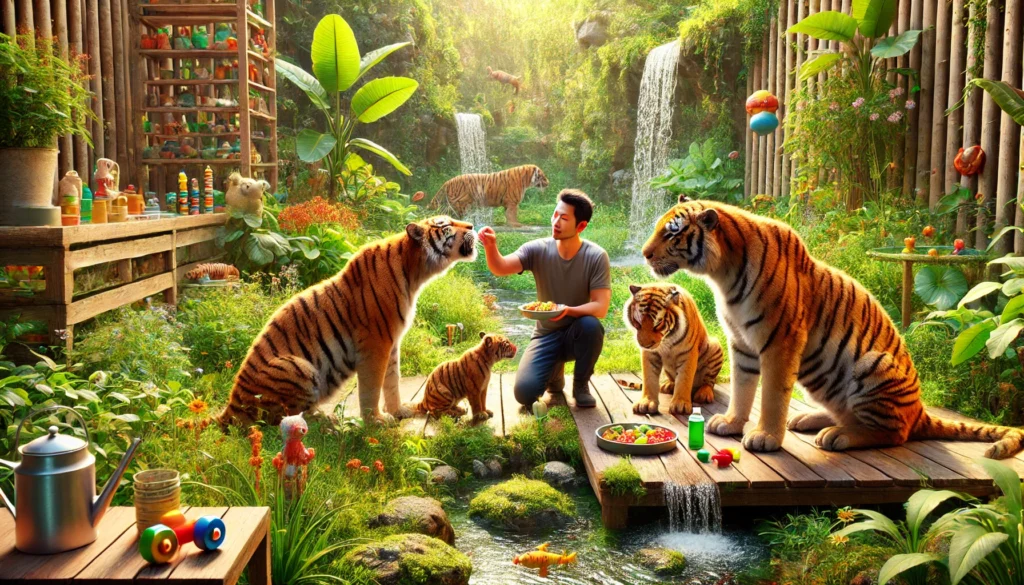
Environmental enrichment and feeding is a practice that improves the quality of life of captive animals. Providing food of different textures, shapes and presentation methods stimulates the natural behavior of animals, preventing boredom and promoting mental health. Toys, hiding places and climbing areas are examples of enrichment that can be introduced into the environment of animals.
Nutritional Disease Prevention
An inadequate diet can lead to the development of various nutritional diseases in captive wild animals. Among the most common are obesity, malnutrition and vitamin deficiencies. Regularly monitoring the body condition and health of animals, adjusting the diet as necessary, is critical for the prevention of these diseases. Regular consultations with a specialized veterinarian are also recommended.
Specific Cases: What to Consider
Each species of wild animal has particularities that should be considered when preparing the diet. Nocturnal animals, for example, may have different feeding times than daytime animals. Species with specific food needs, such as pandas, which feed almost exclusively on bamboo, require increased attention to ensure that all necessary nutrients are provided.
Impact of Captivity on Food
Captivity can significantly impact the eating habits of wild animals. The lack of natural stimuli can lead to inappropriate eating behaviors, such as rejection of certain foods or over-eating others. Creating an environment that simulates natural habitat and providing a varied diet are effective strategies to minimize these impacts.
Challenges and Solutions in Captive Feeding
Feeding wild animals in captivity presents several challenges. The availability of fresh and appropriate food can be limited, and the need for nutritional supplementation is constant. Seeking reliable suppliers, establishing a detailed feeding plan and adapting the diet as needed are solutions that help overcome these challenges.
Awareness and Education of Caregivers
Caregivers’ education is crucial to ensure adequate feeding of wild animals in captivity. Courses, lectures and educational materials can provide valuable information on the specific nutritional needs of each species.In addition, the exchange of experiences between caregivers and specialists can enrich knowledge and improve feeding practices.
Final Considerations on Feeding Wild Animals in Captivity
Finally, the feeding of wild animals in captivity is a complex area that requires specialized knowledge and dedication. Each species has its particularities, and offering a balanced and varied diet is essential to ensure the health and well-being of these animals.
Awareness and education of caregivers are critical to the success of this task. Therefore, investing in appropriate information and practices is the key to providing a long and healthy life to our exotic companions.